Why starter waste happens
A healthy sourdough starter is not a wasteful habit, but it can feel that way if you are feeding it every day and throwing away half each time. Many new bakers end up with too much starter, too much discard, and a growing sense that sourdough requires more flour than it should.
The good news is that you do not need a large starter to bake excellent bread. In fact, most home bakers can keep a small amount of starter and build only what they need for each bake. That simple shift saves flour, reduces stress, and often makes maintenance easier.
The smallest starter you actually need
For everyday maintenance, you only need a small amount of active culture. A starter is a living ecosystem of wild yeast and lactic acid bacteria, and those microbes can be maintained in a modest jar just as well as in a big one.
A useful rule is to keep 10 to 20 grams of starter and feed it in a ratio that matches your baking rhythm. For example, 10 grams starter, 20 grams water, and 20 grams flour is enough for many home kitchens. If you are baking less often, you can keep even less and refresh it when needed.
A small starter is easier to store, cheaper to feed, and less likely to overflow. It also encourages you to think in terms of building levains for specific bakes, rather than maintaining a large quantity at all times.
Feed less often, but feed well
One of the most effective ways to reduce waste is to stop feeding on a fixed daily schedule if you do not need to. Many starters do not need daily attention, especially if you keep them in the fridge.
If you bake once a week, you can often do this:
- Keep a small starter in the fridge.
- Once a week, take out a small amount.
- Feed only enough to build the quantity you need for your dough.
- Reserve a tiny amount to return to the fridge.
This approach avoids repeated discard. It also aligns better with the biology of the starter. Cold storage slows fermentation, so the culture does not need constant feeding when it is not being used.
If your starter is kept at room temperature, it may need more frequent feeds, but you can still keep the amounts small. The key is not to overbuild. A jar full of starter is rarely necessary unless you are baking multiple loaves or sharing with others.
Build only the levain you need
Many bakers waste flour because they refresh the main starter to a large volume instead of building a separate levain for the recipe. A levain is simply a preferment, made from a small inoculation of starter, water, and flour.
Example, if a recipe needs 150 grams of ripe starter, you do not need to maintain 150 grams all week. You can make a levain from 15 grams starter, 70 grams water, and 70 grams flour, then let it ripen. That gives you what you need with very little waste.
This is one of the most practical habits for reducing flour use. Your base starter stays small, and your levain is made to order.
What to do with discard
Discard is not waste in the strict sense. It is starter that was removed to keep acidity, strength, and volume in balance. But if you do not have a plan for it, it can become wasted food.
The easiest solution is to collect discard in the fridge for a short time and use it in recipes where sourness and hydration are flexible, such as:
- pancakes
- waffles
- crackers
- flatbreads
- banana bread
- muffins
- savoury quick breads
That said, discard should not become a reason to keep excessive amounts of starter. If you find yourself with more discard than you can use, the real fix is usually to reduce the size of your maintenance starter and the size of each feed.
A simple low-waste maintenance method
If you want a practical system, try this:
- Keep 10 grams of starter.
- Feed it 20 grams water and 20 grams flour.
- Let it ferment until active.
- Use what you need for baking.
- Save 10 grams back in the jar.
- Refrigerate if you are not baking again soon.
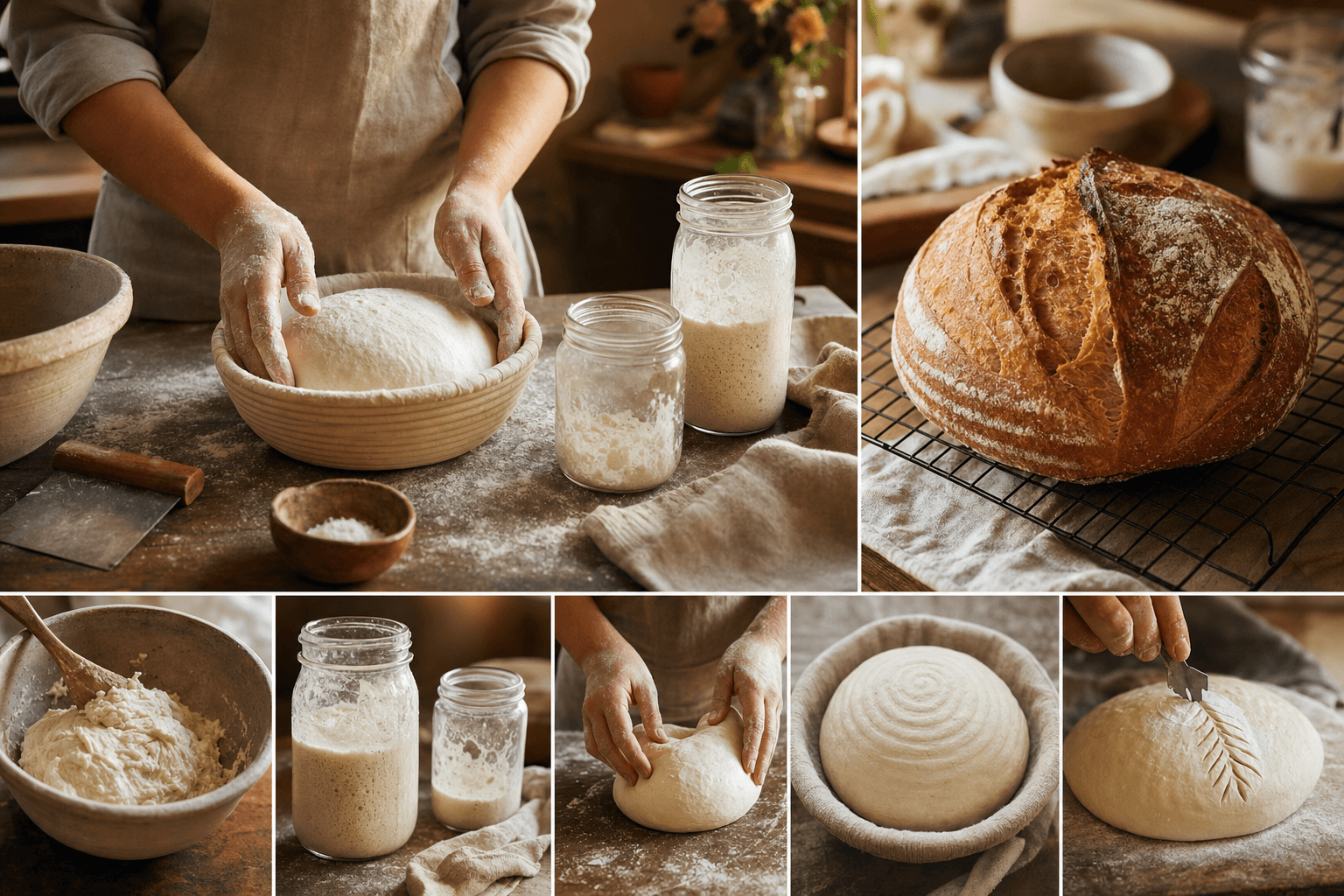
This keeps the process small and repeatable. You can scale it up only on baking day. For example, if your recipe needs a larger levain, build from the tiny seed starter rather than maintaining a big jar all week.
If your starter is very young or weak, it may benefit from a few room temperature feeds before being stored cold. Once established, however, most starters tolerate a small, low-waste routine very well.
Signs you are feeding too much
You may be overfeeding if you notice any of these:
- you throw away more starter than you use
- the jar keeps overflowing
- the starter smells fine but you never bake with it
- you feel pressure to feed daily even when you bake rarely
- you maintain a large starter because it feels safer, not because you need it
A sourdough starter is resilient. It does not need to be pampered with large flour feeds to stay alive. Consistency matters more than quantity.
Why this matters for home bakers
Reducing starter waste is not only about saving flour. It also makes sourdough feel more manageable. When the maintenance routine is small, you are more likely to keep baking and less likely to abandon the starter out of guilt or fatigue.
That matters because the real value of sourdough comes from regular use, not from keeping a jar on the counter as a moral project. A practical starter routine supports better bread, less stress, and less food waste.
For households in Mauritius, where humidity and warm temperatures can accelerate fermentation, small starter management is especially useful. Smaller builds are easier to monitor, and cold storage can help you avoid accidental overfermentation between bakes.
Conclusion: keep it small, build it when needed
The most sustainable sourdough routine is usually the simplest one. Keep a small starter, feed only what you need, and build levain for the recipe instead of maintaining a large jar. Store it cold if you bake infrequently, and use discard only as a bonus, not as the main plan.
If sourdough has felt wasteful, this is the correction. You do not need more starter. You need a better system. Once you make that shift, sourdough becomes easier to maintain, cheaper to bake with, and far more enjoyable over the long run.
Fermentation turns simple flour and water into food your gut understands. Explore the wider Healthspan health ecosystem.