From White Bread to Real Bread: A Realistic Plan for Changing What You Eat Every Day
14 June 2026 · By Sourdough.mu · Updated 5 July 2026
Nobody needs another lecture about white bread. What most of us need is a workable answer to a practical question: bread is on the table every single day, so if I wanted to upgrade it, how would I actually do that without doubling my food budget or spending my life in the kitchen? This is that answer, written for real households rather than food influencers.
Why bread is the smartest food to upgrade
The logic is simple arithmetic. A food you eat occasionally barely matters, however virtuous or terrible it is. A food you eat two or three times a day, every day, compounds. In Mauritius, bread is exactly that food: the morning pain maison with butter, the lunchtime sandwich, the snack dipped in tea. Improve something you eat seven hundred times a year and the small difference per slice becomes a large difference per decade. That is why switching bread beats most flashier dietary resolutions.
What you are actually switching away from
Modern sliced white bread is an impressive industrial product: mixed, proofed and baked in a fraction of the time traditional bread takes, made possible by fast acting yeast, added enzymes, emulsifiers and preservatives. The result is soft, sweet, uniform and digested very quickly, with the fibre and much of the mineral content of the wheat stripped out at the mill. It is not poison. It is simply the least nutritious form a wheat harvest can take, engineered for shelf life and softness rather than for the person eating it.
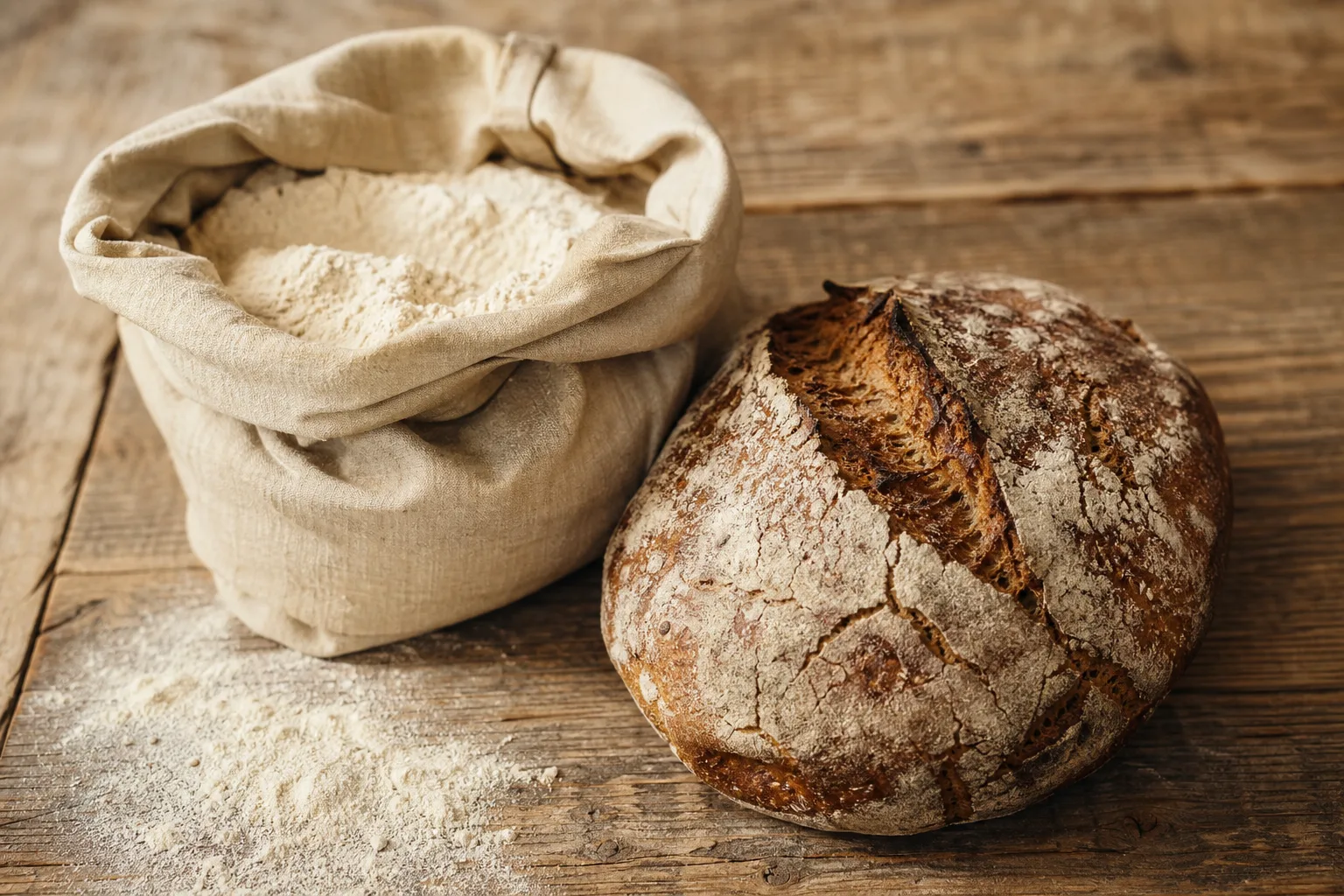
Real bread, by contrast, is flour, water, salt and long fermentation. Wholegrain sourdough adds back the fibre your gut bacteria need, keeps the minerals fermentation makes available, digests more slowly and keeps for days without preservatives.
The staged switch that actually sticks
Cold turkey works for almost nobody, because households have habits, children have opinions and budgets have limits. A staged approach works better.
- Stage one: change one meal. Keep whatever the family eats at breakfast and swap the bread at one meal, perhaps weekend lunches, for a sourdough loaf from a decent bakery. You are testing, not converting.
- Stage two: change the default sandwich. Once the taste feels normal, make sourdough the standard for packed lunches. Denser bread means one thick slice often satisfies where two white slices did not.
- Stage three: deal with breakfast last. Morning bread habits are the most emotional, so leave them until real bread already feels ordinary.
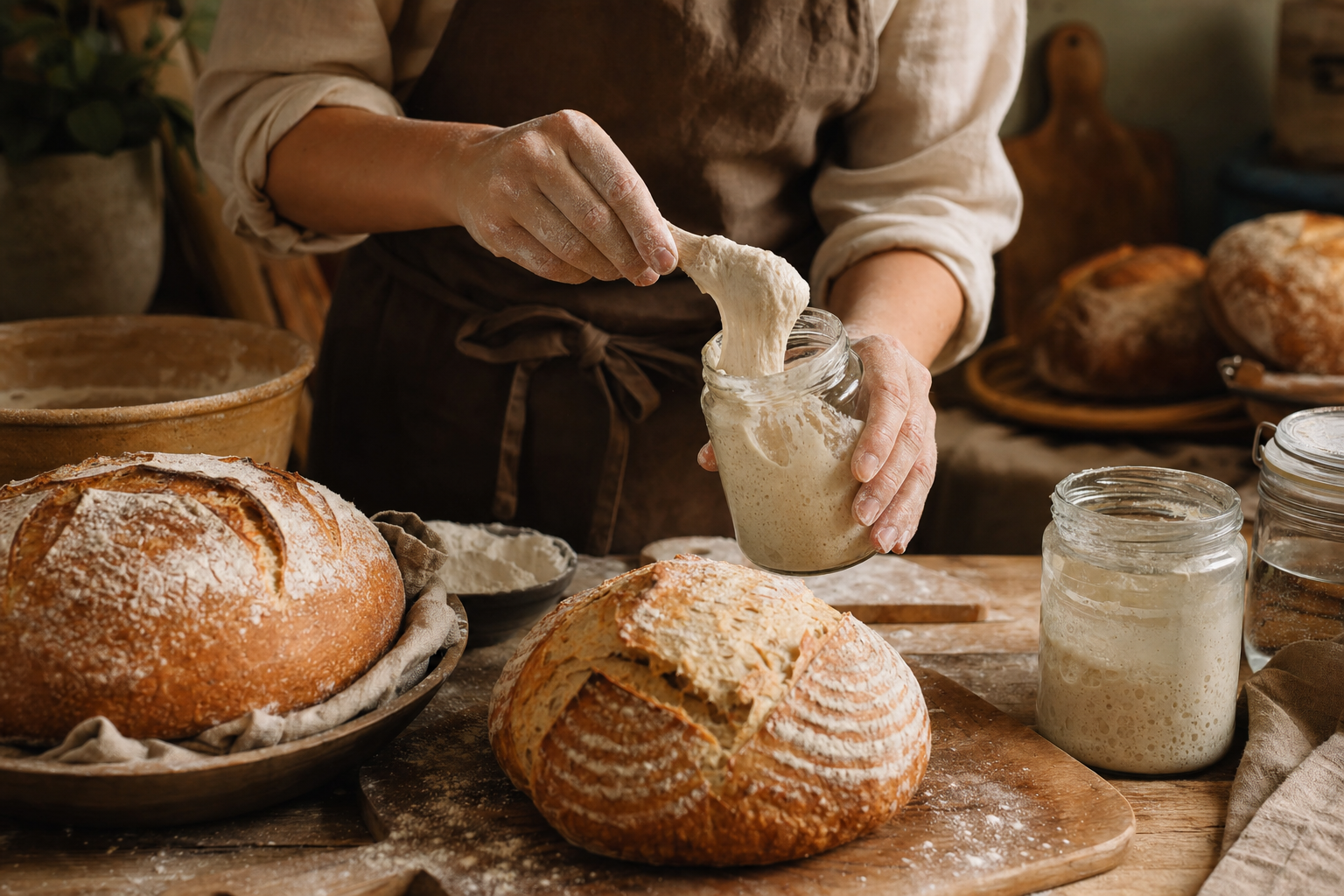
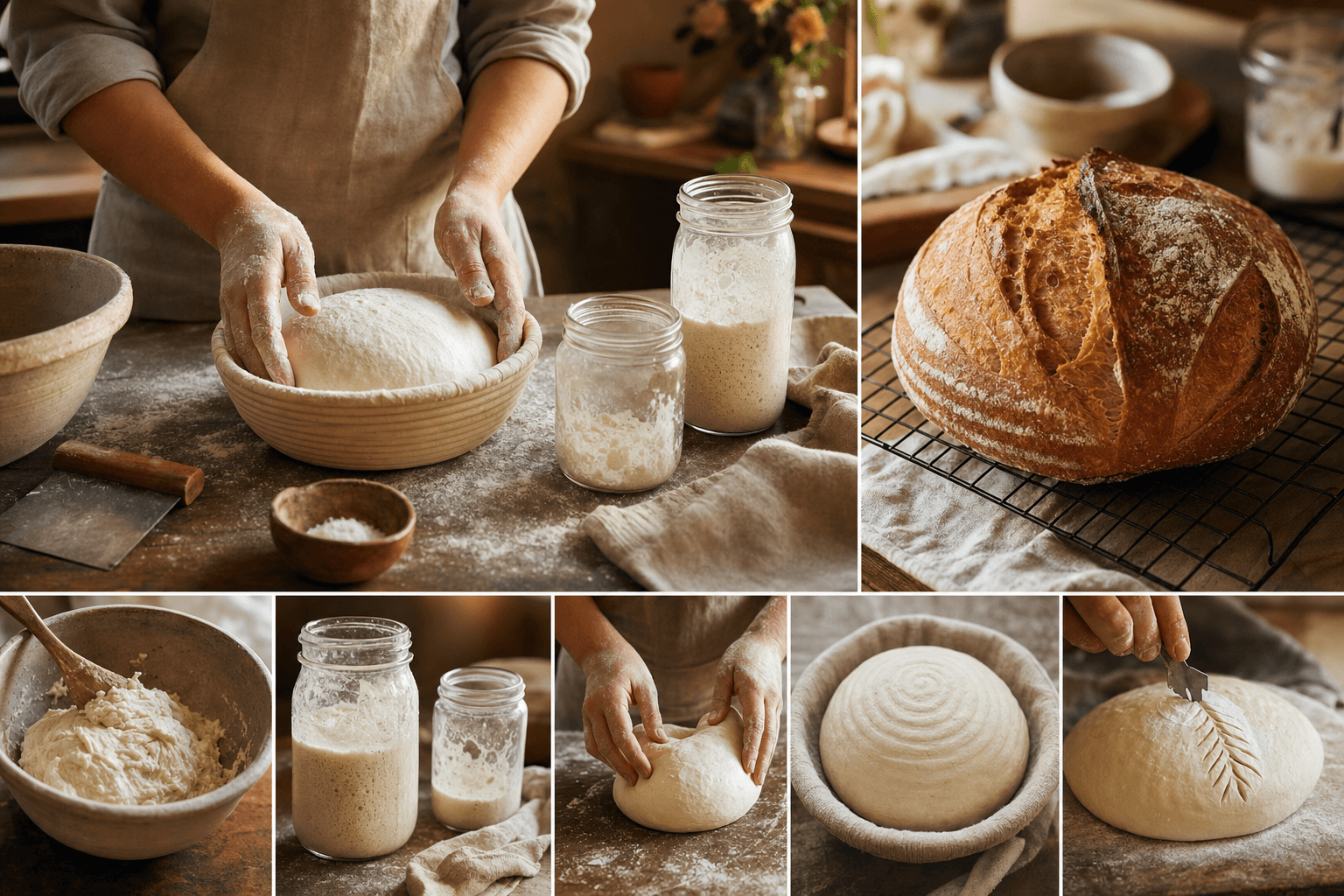
- Stage four: consider baking. One weekend bake of two loaves, with one frozen, covers most of a small household's week.
Expect the transition to take a month or two. That is fine. You are rewiring a lifelong habit, not passing an exam.
Handling the objections honestly
It is more expensive. Per loaf, often yes. Per week, less than it looks, because sourdough is denser, more filling and does not go stale and mouldy as fast, so less gets thrown away. Baking your own reverses the equation entirely: flour, water and salt make bread cheaper than almost anything you can buy.
The kids will not eat it. Start with milder white sourdough rather than an intense rye, toast it, and give it time. Children resist novelty, not sourdough specifically.
It is too chewy. Real crust is chewier than cotton wool bread, genuinely. Slice thinner, toast lightly, and within weeks the old bread is the one that tastes wrong.
I cannot find it. Availability in Mauritius is improving, with more bakeries offering genuine levain breads, but labels can mislead. Check the ingredient list: flour, water, salt and starter is the real thing; a list with yeast, sugar, emulsifiers and sourdough flavour is not.
What people typically notice
Within a few weeks of the switch, the commonly reported changes are unglamorous but real: feeling full for longer after meals, fewer mid morning energy dips, less bloating for those who were sensitive to fast bread, and bread bills that stop including a weekly binned half loaf. None of this is dramatic. Staple foods never are. The benefit of a better staple is that it works quietly, at every meal, for years.
Start smaller than feels impressive
The whole plan reduces to one instruction: next time you buy bread, buy one real loaf alongside the usual one, and let the comparison do the arguing. If it wins, repeat. If you eventually want to bake your own, the guides here on Sourdough.mu will take you from a jar of flour and water to your first loaf. Real bread is not a lifestyle. It is just bread, the way it was made for most of history, waiting for you to come back to it.
Fermentation turns simple flour and water into food your gut understands. Explore the wider Healthspan health ecosystem.