The playful science of real bread
Real bread, better gut.
Sourdough.mu is about real bread and a better gut: sourdough baking guides for Mauritius, fermentation science, and why fermented beats ultra processed.
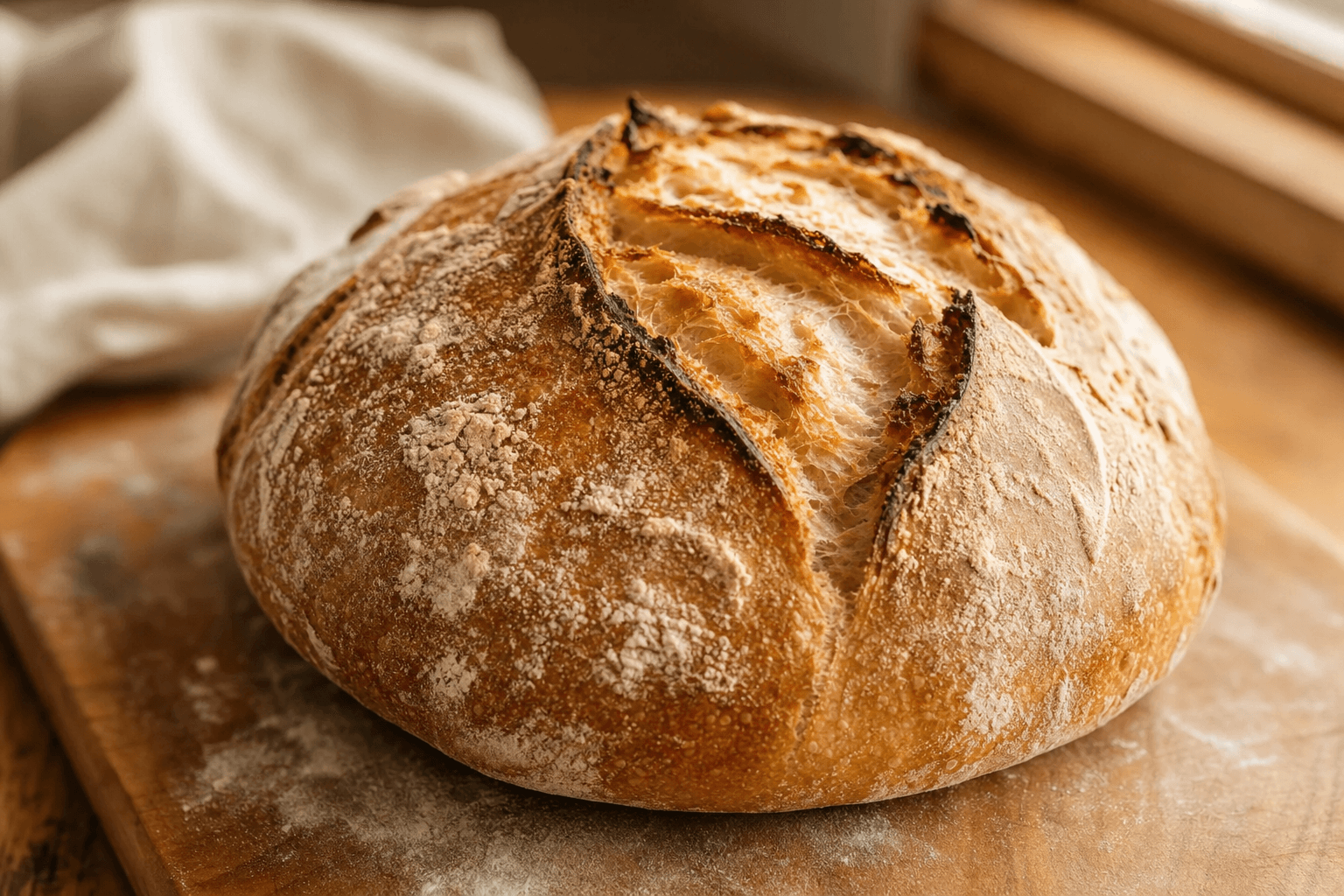
Real food
Flour, water and salt make a loaf with nothing ultra processed hiding in the ingredient list.
Fermentation
Wild yeast and lactic acid bacteria slowly transform simple dough into flavour, structure and nutrition.
Gut health
Long fermentation breaks down what bothers many stomachs and feeds the microbiome that keeps you well.
Bake your first loaf
Step by step guides take you from a jar of starter to a crackling crust in the Mauritian climate.
The Bench
Tools that watch the weather with you
Every recipe assumes a cold kitchen. These three do the tropical arithmetic for you, right in your browser, nothing stored.
What is Sourdough.mu?
Sourdough.mu is an educational resource about sourdough bread, fermentation, and gut health, written for home bakers and curious eaters in Mauritius. Sourdough is the oldest way of leavening bread: instead of commercial yeast, a live starter of wild yeasts and lactic acid bacteria slowly ferments the dough, developing flavour, structure, and characteristics that many people find easier on digestion. This site covers both the craft and the science. On the craft side, step by step guides explain how to raise and keep a starter, mix and shape dough, and bake a proper crust in a warm, humid island climate that behaves very differently from the European kitchens most recipes assume. On the science side, articles explore what long fermentation actually does to flour, how fermented foods relate to the gut microbiome, and where the evidence for health claims is solid, promising, or simply overstated. Everything is practical for Mauritius, from locally available flours to fermentation times that suit tropical temperatures. The goal is simple: to help you bake real bread with your own hands and understand what it does for your body.
Frequently asked questions
What is sourdough, and how is it different from ordinary bread?
Sourdough is bread leavened by a live starter culture of wild yeasts and lactic acid bacteria instead of commercial baker's yeast. The fermentation is much slower, often stretching over many hours, which develops the characteristic tangy flavour, chewy crumb, and crackling crust. That long fermentation also transforms the dough itself, breaking down parts of the flour in ways a fast commercial loaf never undergoes.
Is sourdough actually better for digestion?
Many people report that sourdough sits more comfortably than standard bread, and there are plausible reasons: long fermentation breaks down some of the carbohydrates and compounds in flour that commonly cause bloating, and the acids produced slow how quickly the bread is digested. Research in this area is genuinely promising but still developing, and responses vary from person to person. Anyone with coeliac disease still needs to avoid regular sourdough, since it is not gluten free.
What is a sourdough starter, and is it hard to keep alive?
A starter is a simple culture of flour and water in which wild yeasts and beneficial bacteria establish themselves over several days of regular feeding. Once active, it needs only routine feeds of fresh flour and water to stay healthy, and it can be slowed in the fridge between bakes. In a warm climate like Mauritius fermentation runs faster, so starters tend to be lively and need slightly more attention than in cooler countries.
Can I bake good sourdough in the Mauritian climate?
Yes, and in some ways the warmth helps, because dough ferments readily without special equipment. The main adjustment is time: proofing that takes all day in a European kitchen can happen in a few hours here, so bakers learn to watch the dough rather than the clock. Using cooler water, fermenting overnight, or using the fridge to slow things down all give more control over flavour and structure.
Is the information on Sourdough.mu health or medical advice?
No. Sourdough.mu publishes general education about baking, fermentation, and the science of gut health, not personalised medical or dietary advice, and it does not diagnose or treat any condition. Digestive symptoms can have many causes, and conditions such as coeliac disease need proper medical assessment. If bread or any food consistently causes you problems, consult a qualified doctor or dietitian about your own situation.
From the blog
View all →
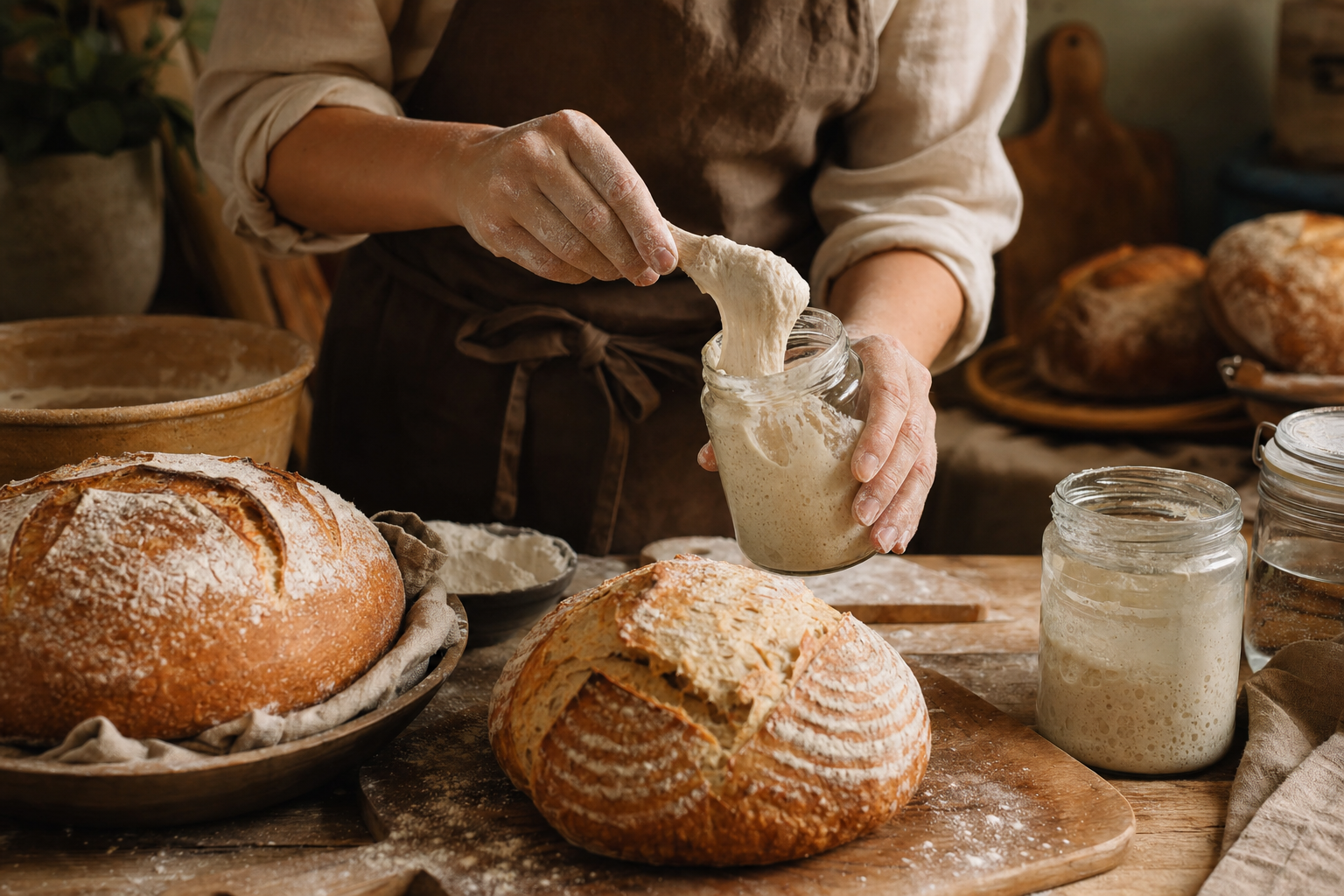
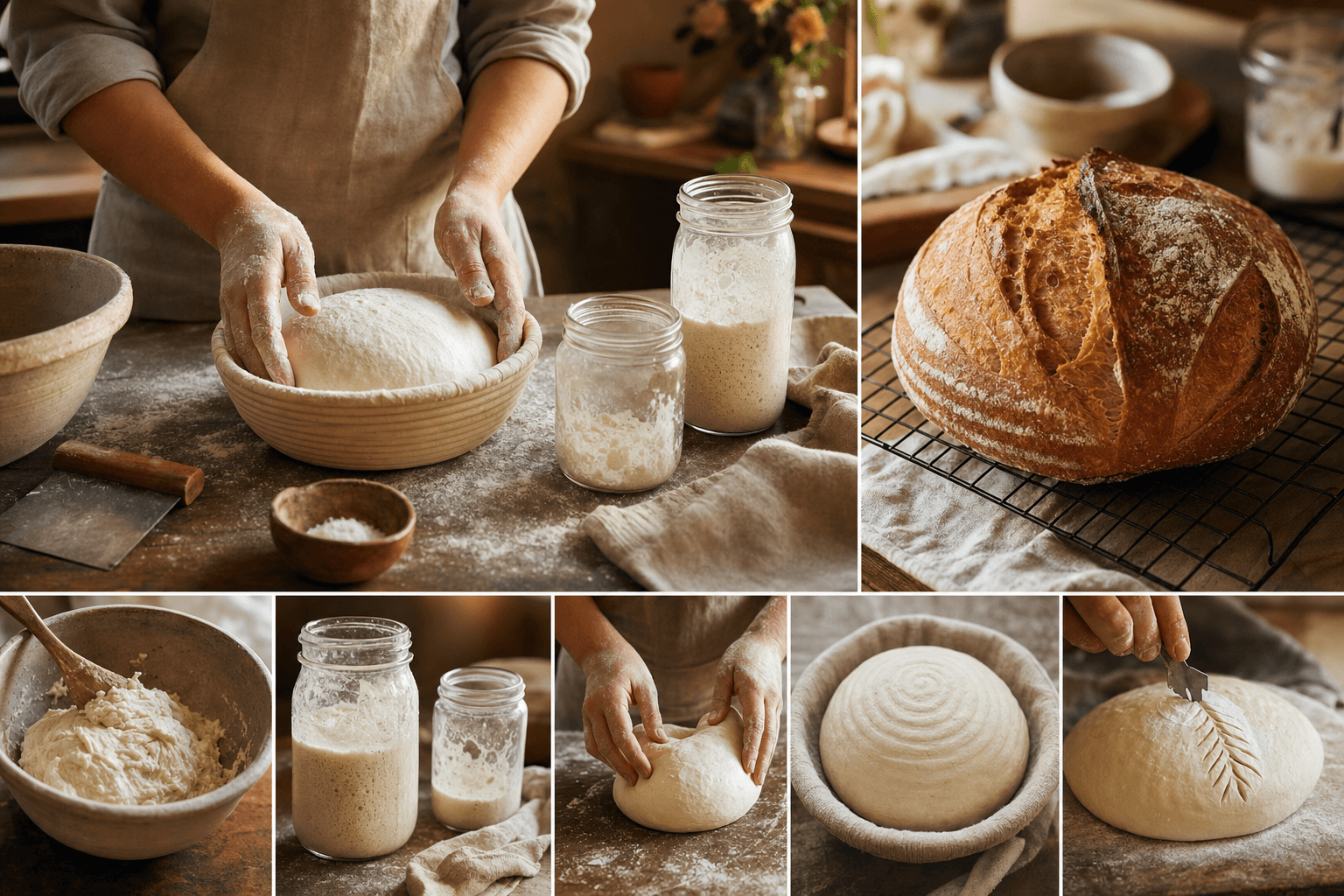
Fermentation turns simple flour and water into food your gut understands.
Sourdough.mu is part of the Healthspan health ecosystem.
Discover Healthspan